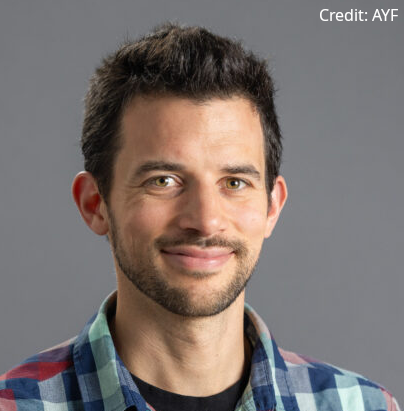



Hey, my name is Tristan and I am a Computational Neuroscientist.
Currently, I am employed as a CIDAS Fellow at CIDAS - Campus-Institut Data Sciene, Göttingen University, and as a research fellow (part-time) at the Department of Neurology, University Hospital Frankfurt, Germany.
My research agenda revolves around deciphering how the brain builds and uses its internal model of the world, also called cognitive map. This topic fascinates me for two reasons: First, it is an exciting, yet unresolved, neuroscientific question. Second, reengineering cognitive map formation in artificial neural networks could lead to intelligent systems that surpass current technology in reliability, speed, and efficiency in terms of data requirements and energy consumption. To this aim, my students and I build artificial neural networks to explain experimental data and to solve real world challenges. We focus primarily on the hippocampus because of its crucial role for cognitive map formation. In addition, I recently started working on neuromorphic hardware and I use my theoretical and physiological knowledge to support research on epilepsy.
Biography
As a Think@Ruhr Research Fellow from 2022-2025, I worked as an independent postdoc under the mentorship of Prof. Sen Cheng at Ruhr University Bochum, focusing on topics around hippocampal theory and information processing in recurrent neural networks. Between 2020 and 2022, I worked as a postdoc in the lab of Jochen Triesch at the Frankfurt Institute for Advanced Studies on questions related to synaptic lifetime, criticality, and epileptogenesis. In 2021, I earned my Doctor of Philosophy from the University of Oslo as part of the Simula-UiO-UCSD Research and PhD training program . Supervised by Arvind Kumar, Marianne Fyhn, and Jill Leutgeb, my PhD research led to the development of a theory for the computational role of the hippocampal region CA2. Prior to this, I obtained a Master's degree at the University of Freiburg, studying Computational Neuroscience at the Bernstein Center Freiburg.
Highlighted Publications
For more publications, visit Google Scholar.
-
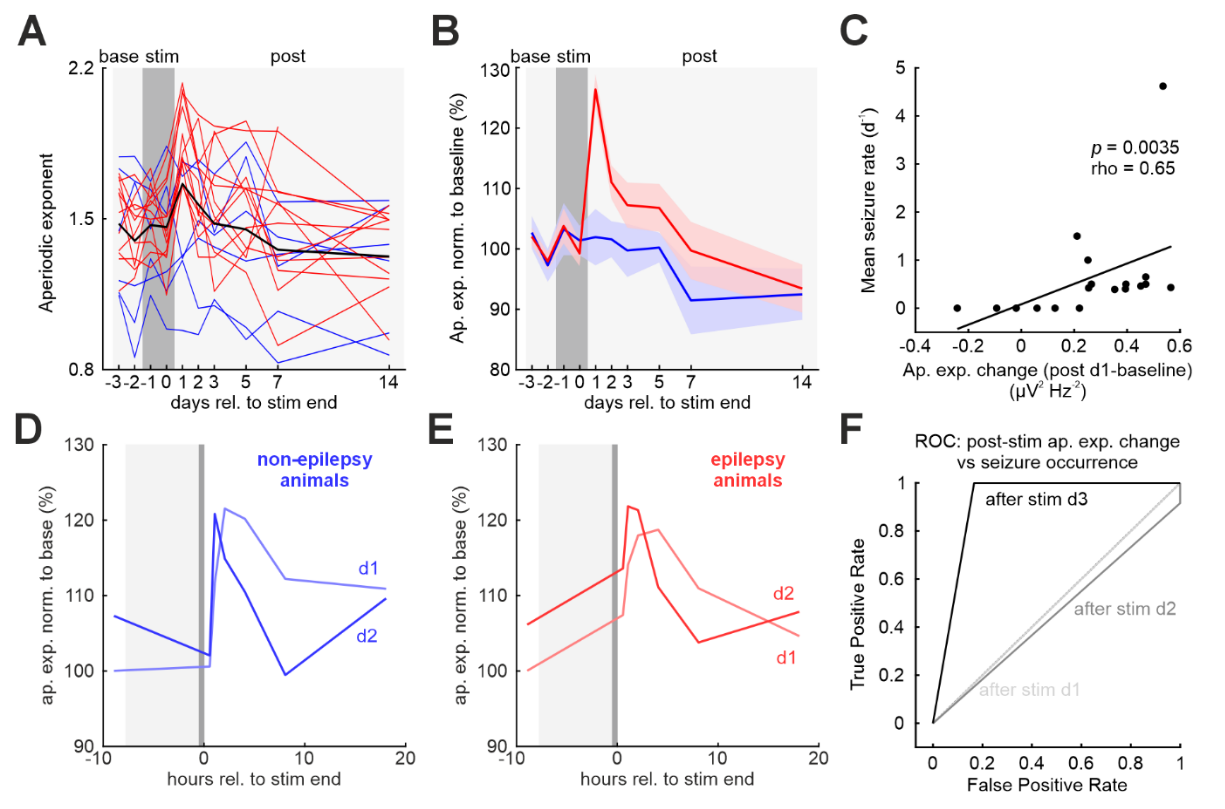
Hippocampal network activity changes during early epileptogenesis predict subsequent epilepsy
Epilepsia 2026
-
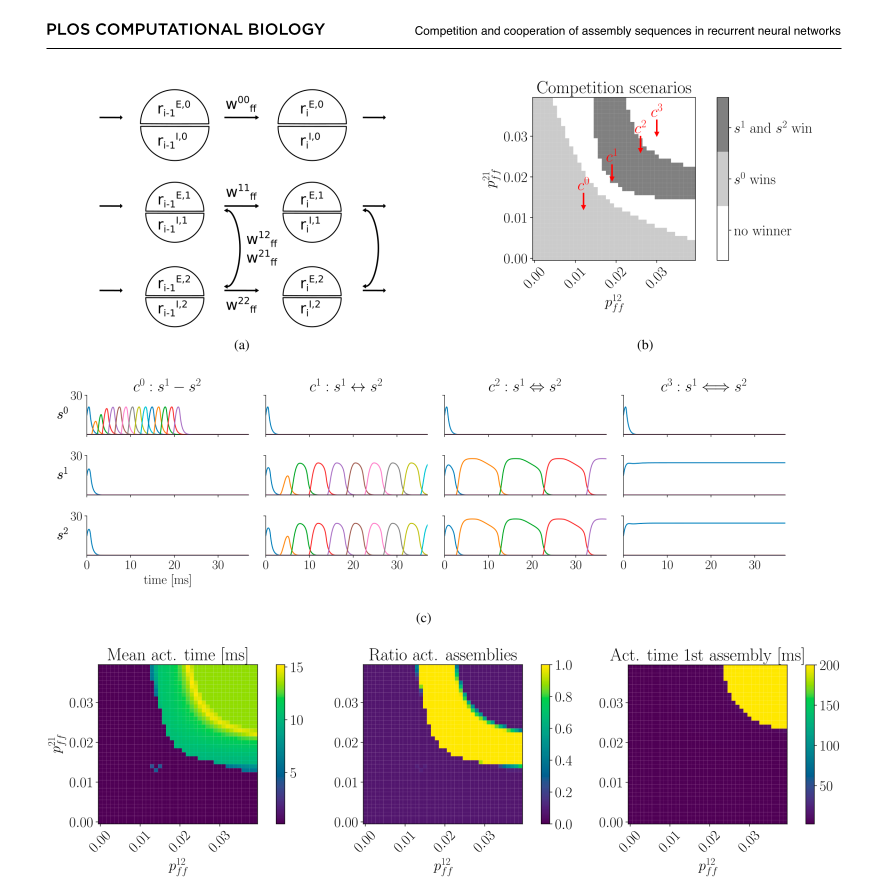
Competition and cooperation of assembly sequences in recurrent neural networks
PLOS Computational Biology 2025
-
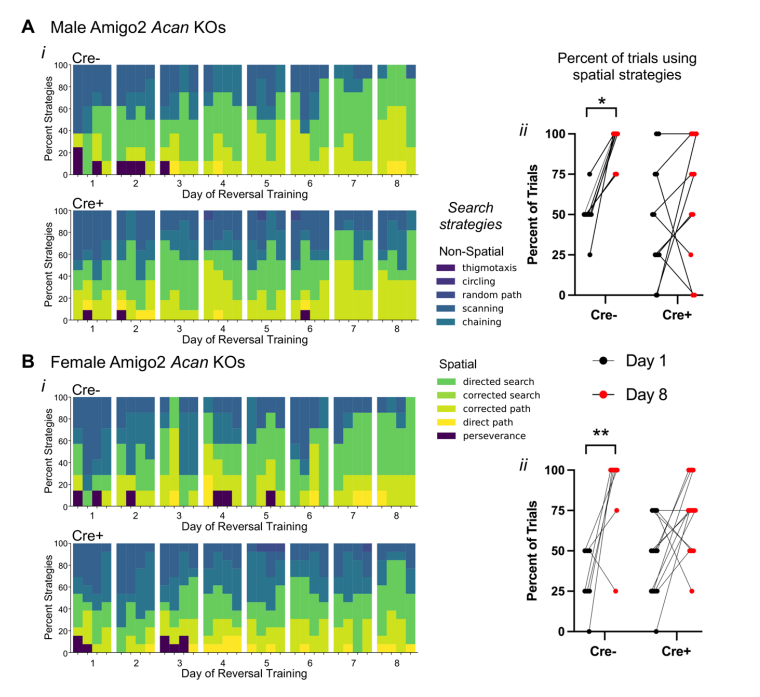
Perineuronal Nets on CA2 Pyramidal Cells and Parvalbumin-Expressing Cells Differentially Regulate Hippocampal-Dependent Memory
The Journal of Neuroscience 2025
-
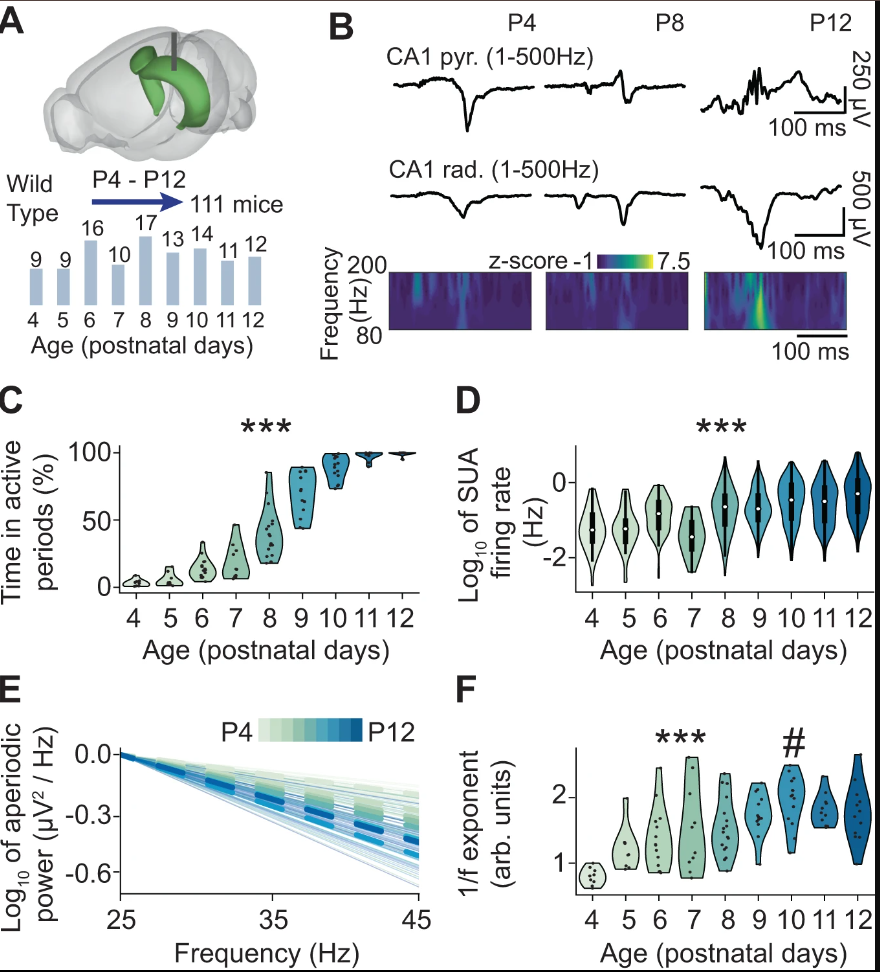
A developmental increase of inhibition promotes the emergence of hippocampal ripples
Nature Communications 2024
-
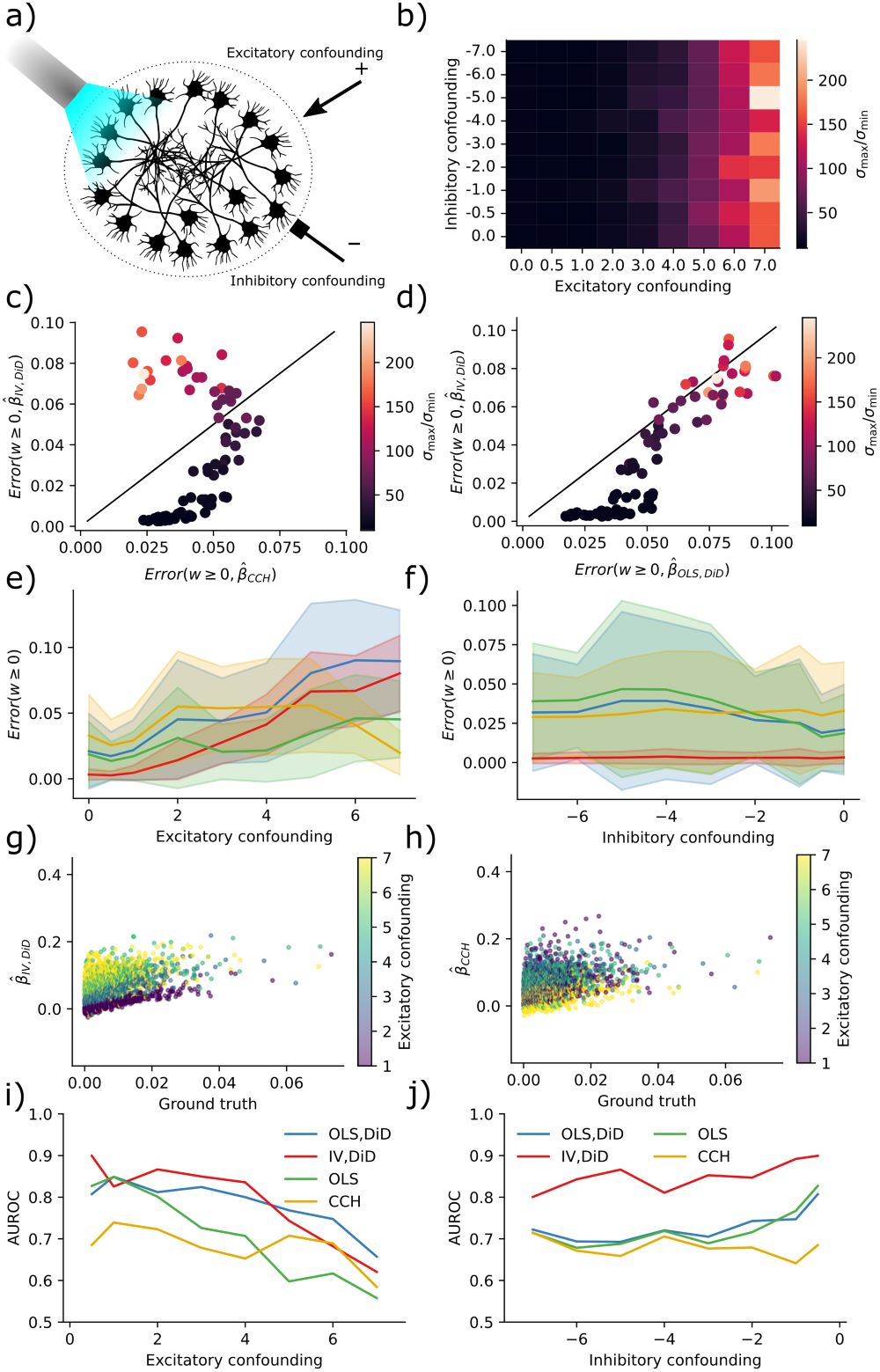
Inferring causal connectivity from pairwise recordings and optogenetics
PLOS Computational Biology 2023
-
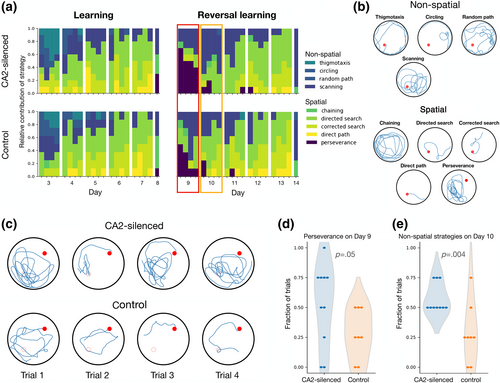
Silencing hippocampal CA2 reduces behavioral flexibility in spatial learning
Hippocampus 2023
-
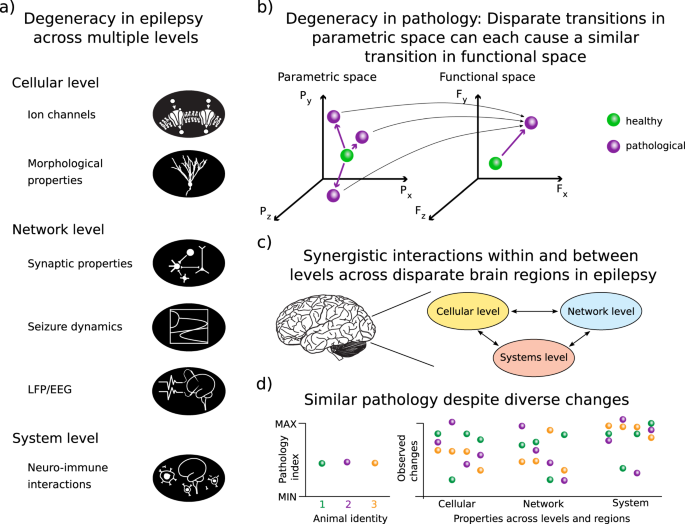
Degeneracy in epilepsy: multiple routes to hyperexcitable brain circuits and their repair
Communications Biology 2023
-
PymoNNto: A Flexible Modular Toolbox for Designing Brain-Inspired Neural Networks
Frontiers in Neuroinformatics 2021
-
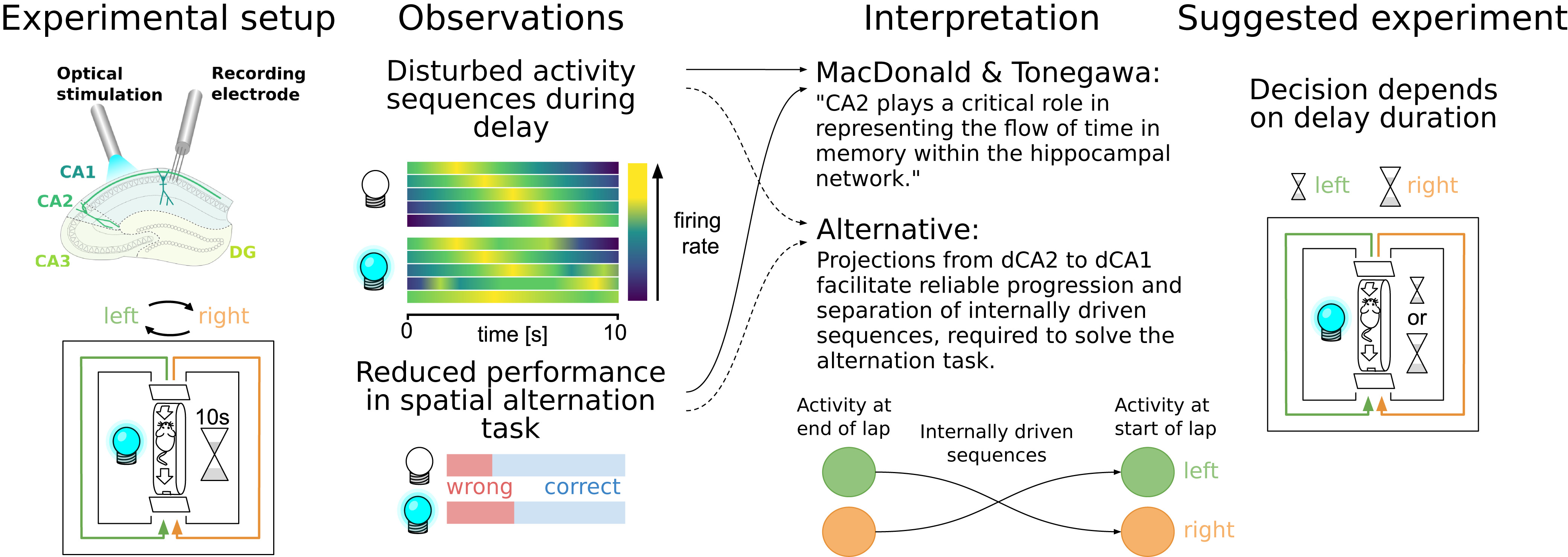
Differential involvement of CA2 in internally vs. externally driven hippocampal sequences
Proceedings of the National Academy of Sciences 2021
-
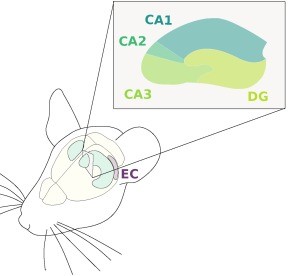
CA2 beyond social memory: Evidence for a fundamental role in hippocampal information processing
Neuroscience & Biobehavioral Reviews 2021
-
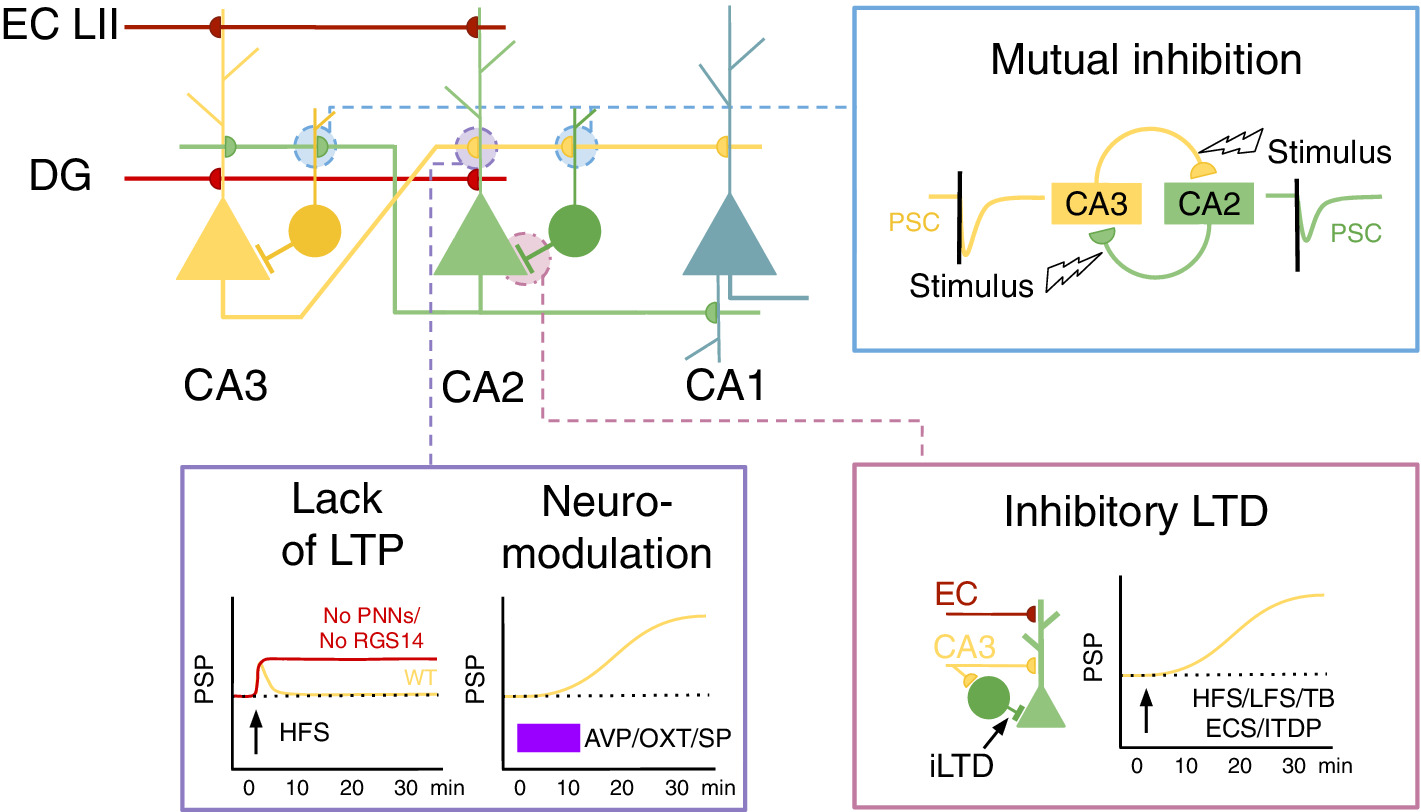
Selective neuromodulation and mutual inhibition within the CA3–CA2 system can prioritize sequences for replay
Hippocampus 2020
Academic Distinctions
- 2026: ERC Starting Grant, European Research Council, for WoM-BaM - World Models in Brains and Machines (2027-2032)
- 2026: BMFTR funding for ALDEN - AI-supported Lesion Detection in Epilepsy using the NAKO cohort, Co-PI with Niels Focke (University Medical Center Göttingen) and Raviteja Kotikalapudi (University Medicine Essen) (2027-2029)
- 2025: CIDAS-Fellowship, Campus-Institut Data Science, University of Göttingen
- 2024 - present: International Member, The Young Academy of Norway
- 2024 - present: Academy Fellow, Johanna Quandt Young Academy
- 2022 - 2025: Think@Ruhr Research Fellowship
- 2023 - 2024: Scholarship, Main-Campus-Educator, Stiftung Polytechnische Gesellschaft Frankfurt
- 2024: International Liaison Fellowship 2024 to RIKEN Center for Brain Science, Tokyo, Japan, Goethe University’s R3 Career Support
- 2018: Award, Leader of Winning Team at Simula Hackathon 2018
- 2016: Ph.D. Fellowship, Simula-UiO-UCSD Research and Ph.D. training programme
- 2014: Scholarship, Deutschlandstipendium
- 2013: Scholarship, Deutschlandstipendium
- 2010-2011: Scholarship, German Academic Scholarship Foundation
- 2008: Award, Best A-Level Score in 2008 and Outstanding Achievements in Natural Sciences, Stiftsschule St. Johann Amöneburg
- 2008: Award, Outstanding Achievements in Physics, German Physical Society
Lab Members
-
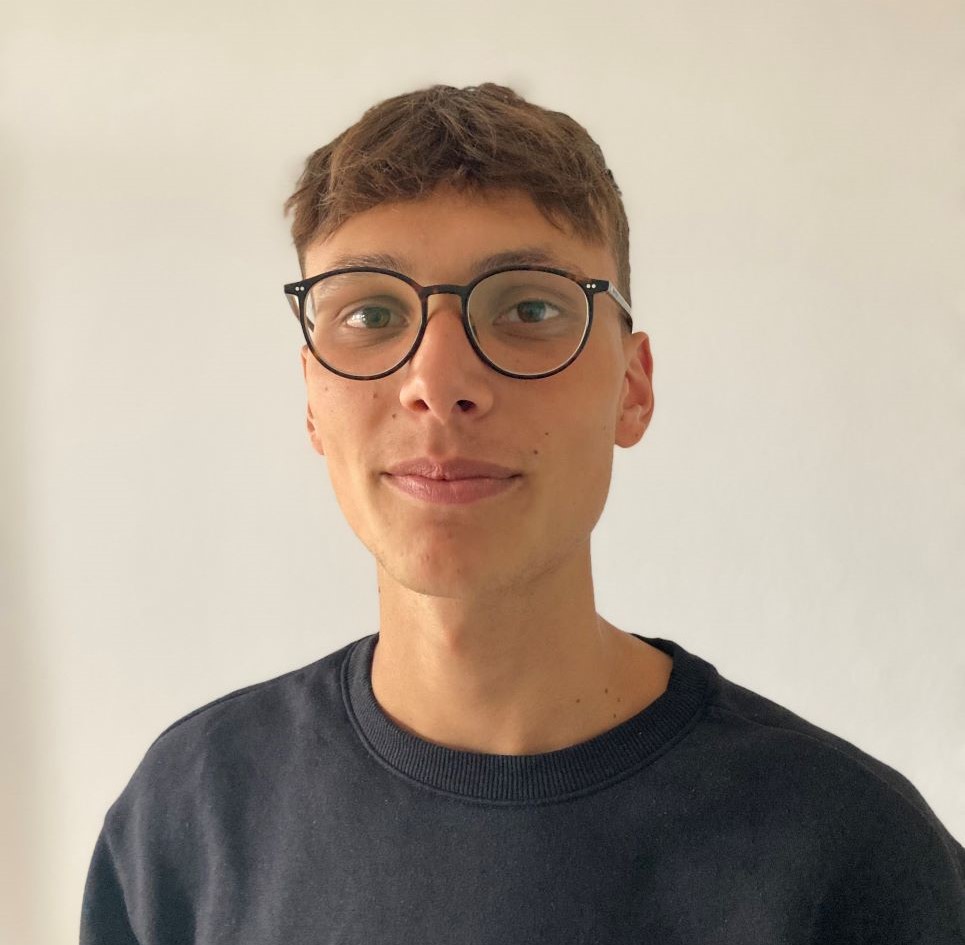
Vincent Dekorsy
-
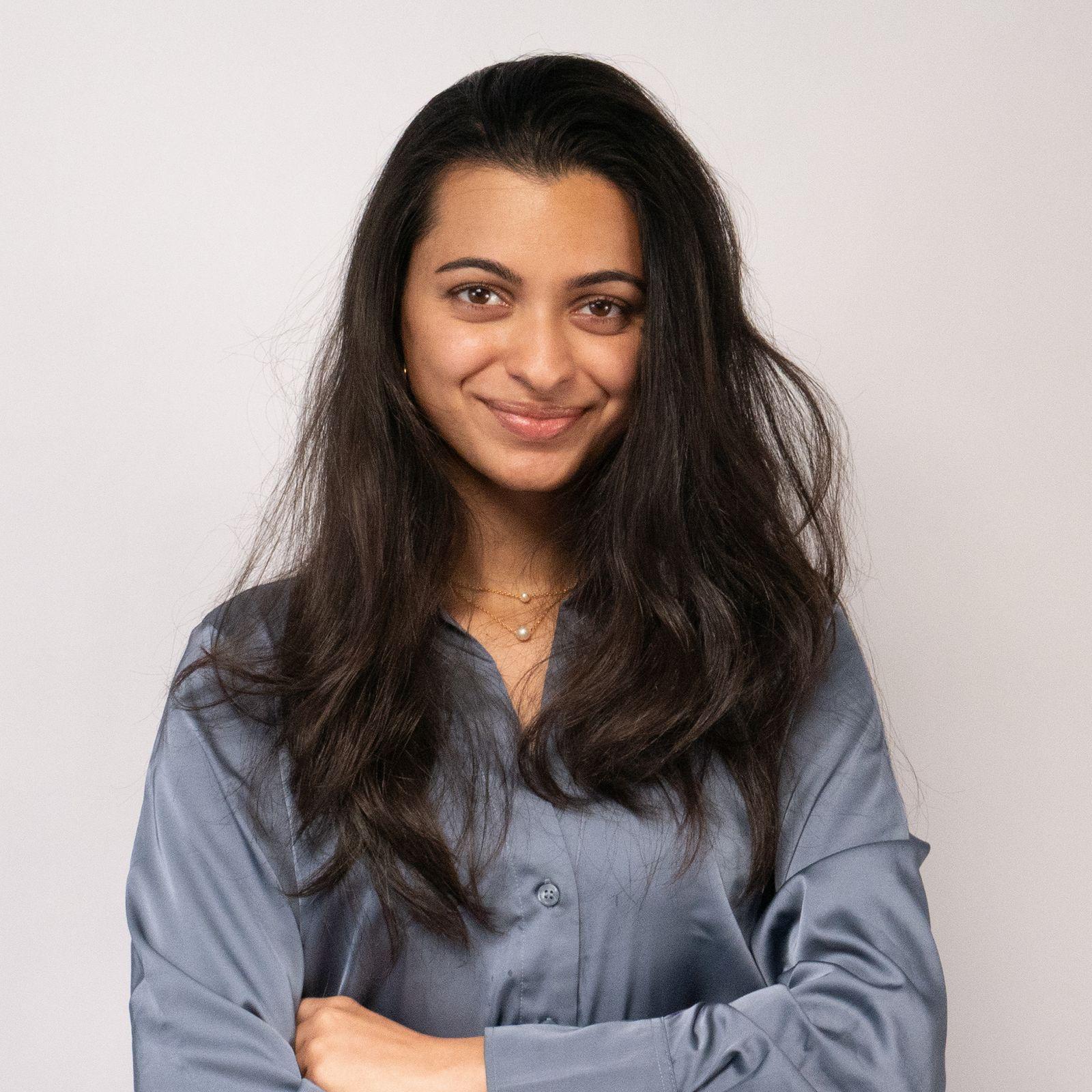
Elisha Nesta Lobo
-
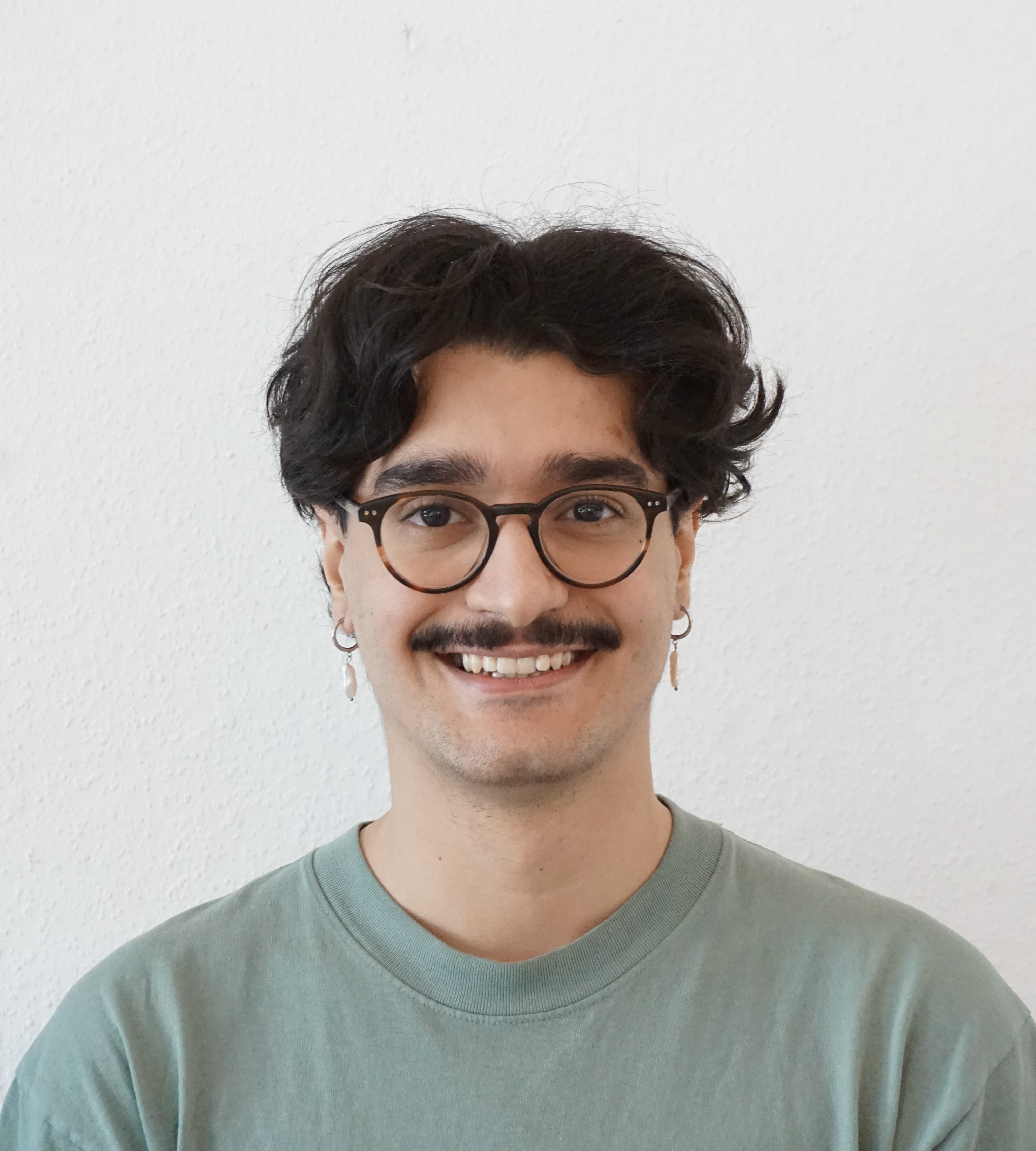
Kyle Kahraman
-
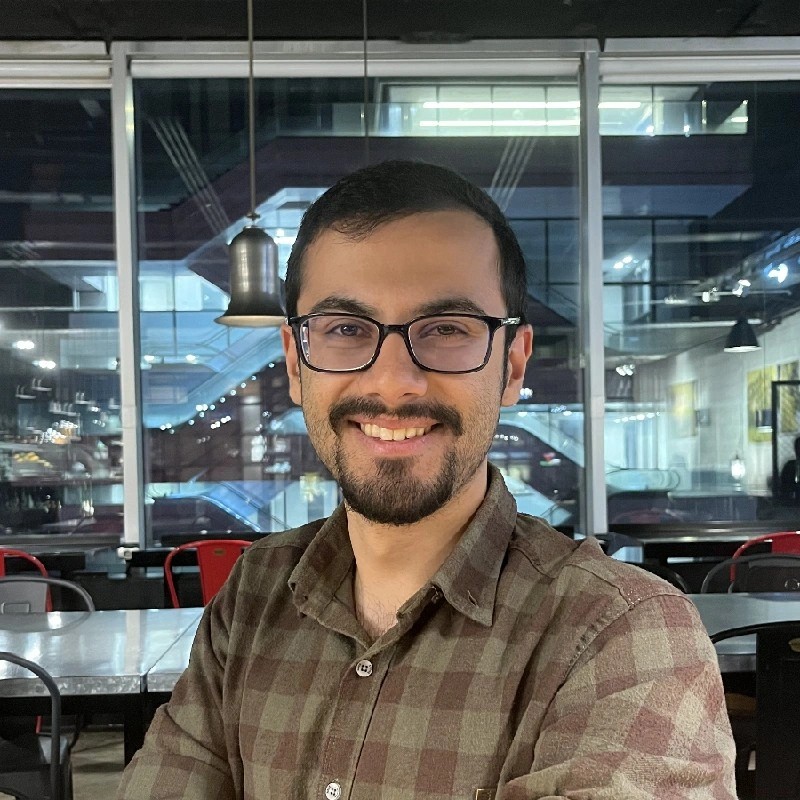
Parsa Gharavi
-
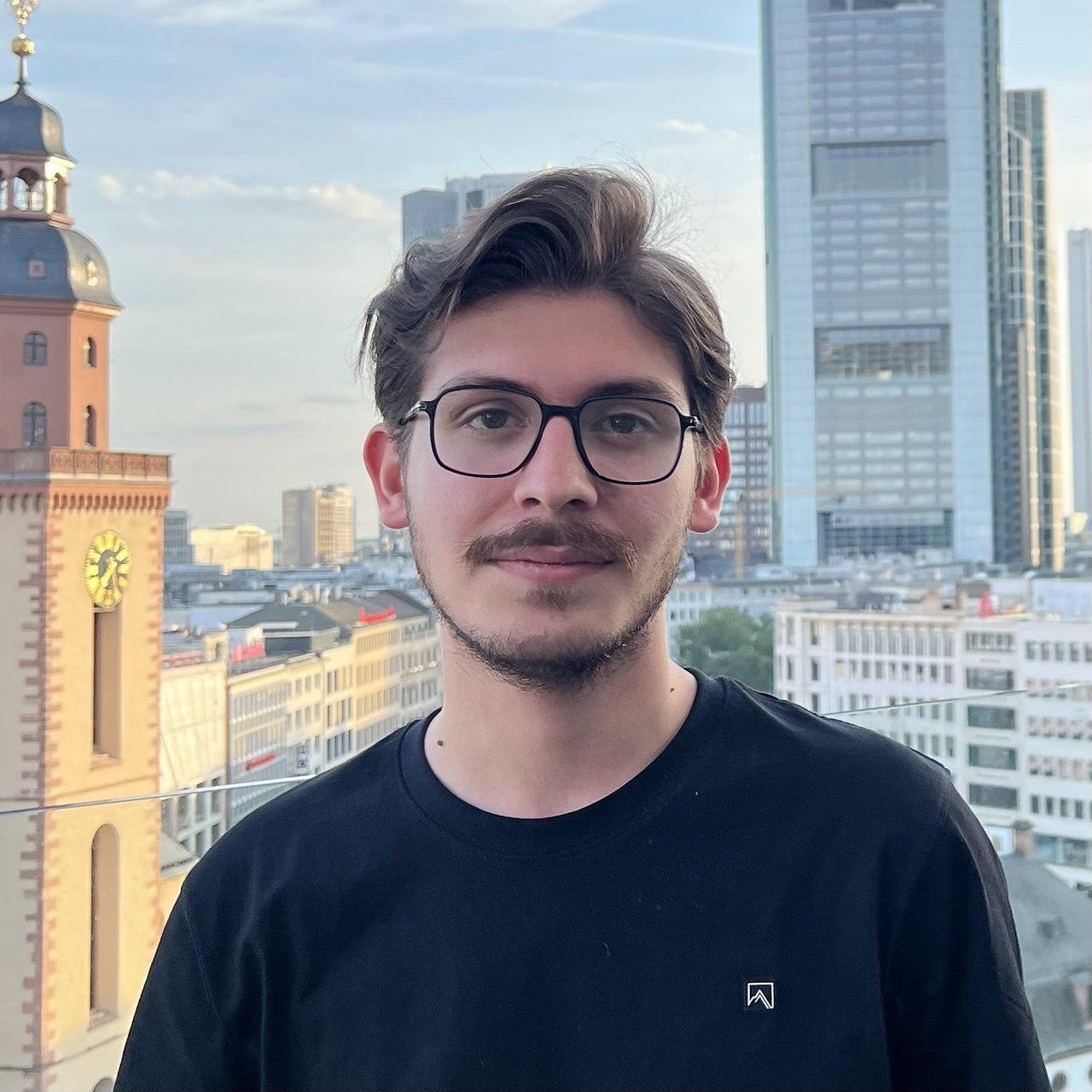
Arash Nikzad
Join us!
Wrestling secrets out of nature is often a rollercoaster, and while I am trying to guide you, success is not guaranteed. It takes talent and knowledge, of course – but also an unshakeable curiosity, a good dose of stubbornness, and a slightly unreasonable optimism.
If that sounds like a match, feel free to reach out. At the moment I have these openings:
-
Ph.D. Student – Hippocampal representations in dynamic environments
TV-L E13 100% · 3 years · Göttingen
Analyse an unpublished, large-scale in-vivo miniscope dataset: CA1 pyramidal cells tracked across 11 tasks and 34 days. Characterise how cognitive maps emerge, drift and are reused, from single cells to the geometry of the population manifold. In close collaboration with Tom McHugh (RIKEN CBS, Japan).
More Info -
Ph.D. Student – Brain-inspired world models for navigating dynamic environments
TV-L E13 100% · 3 years · Göttingen
We distill inductive biases from normative hippocampus models and use these insights to build novel and powerful model-based deep RL agents. The goal: agents that plan over long horizons with interpretable internal representations.
More Info -
Postdoctoral Researcher – Machine learning for epilepsy
TV-L E13 100% · ~1 year with potential extension · Göttingen
We try to predict epilepsy before it even starts. For this we use unique intracranial recordings from patients who suffered a bleed on the brain's surface – about one in three of whom go on to develop epilepsy. On these data we fine-tune EEG foundation models. We also build digital twin network models of individual patients, allowing us to simulate personalised prevention and treatment strategies. A collaboration with Michael Strüber and Felix Rosenow (University Hospital Frankfurt) as well as Richard Gao (Goethe University Frankfurt).
More Info -
Student Research Assistant (2 positions)
Part-time
Support the projects above with calcium imaging data processing, behavioural tracking, software engineering and simulation experiments – a good entry point for a B.Sc. or M.Sc. thesis in the lab.
Prerequisites: strong quantitative skills, fluency in Python, experience with machine learning, and genuine curiosity about both brains and machines.
What we offer: an interdisciplinary group at the interface of neuroscience and AI, a strong national and international network, and a generous ERC travel and publication budget for conferences such as NeurIPS, Cosyne and FENS.
How to apply: send your CV, a short motivation letter naming the position you are interested in, and contact details of two references to tristan.stoeber@posteo.net. Applications received by 24 September 2026 will receive full consideration; the positions remain open until filled. Internships and thesis projects outside these openings are always welcome.
If you are unsure which position fits you best, or would like to hear more about a project before applying, write to me at the same address – I am happy to talk first.
Funding
Alumni
-
Andrea Graziano
-
Jan Bellingrath
-
Fatemeh Jamshidian
-
Armin Toghi
-
Ali Dasmeh
-
Sasan Sarbishegi